

Blog
Fluconazole for Vaginal Yeast Infection: Treatment, Dosage & Precautions

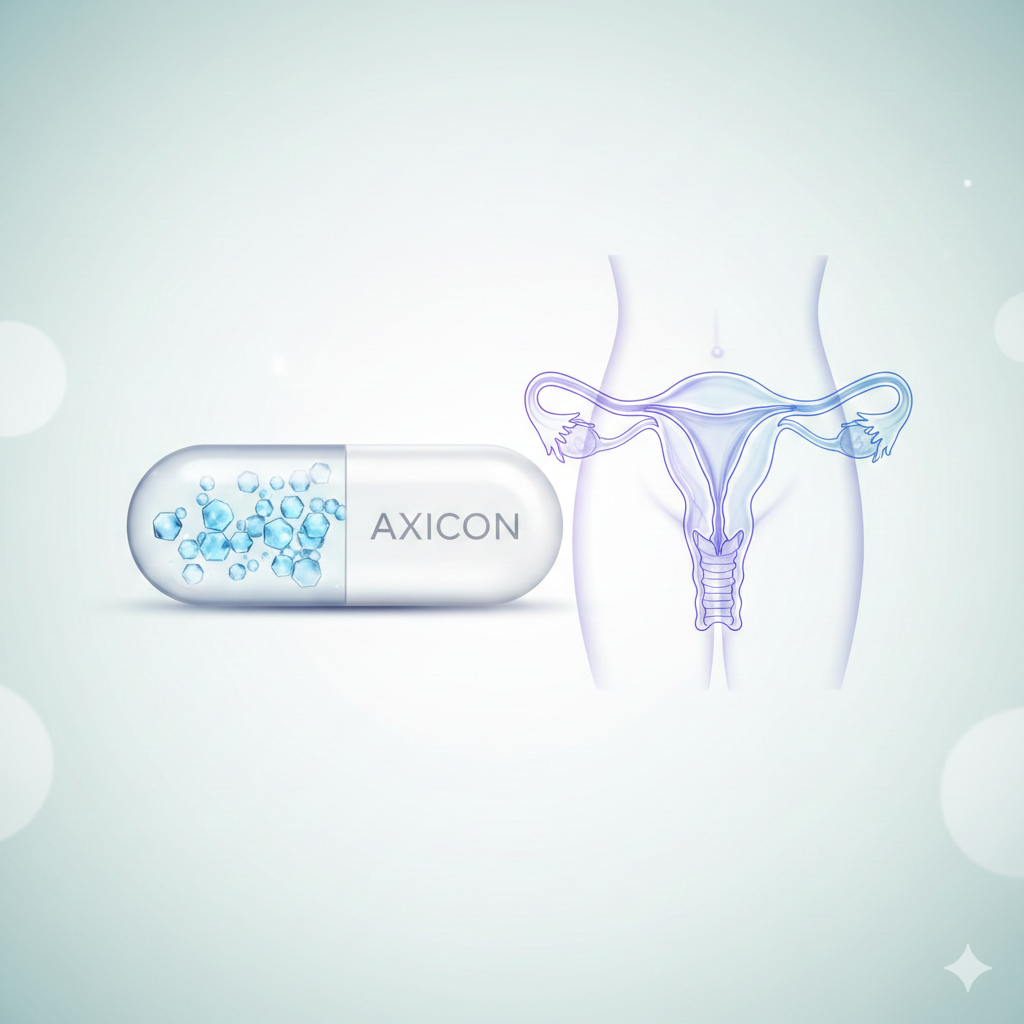
Vaginal yeast infection is a common fungal condition that affects many women at least once in their lifetime. Doctors frequently prescribe fluconazole to treat this infection because it effectively stops fungal growth and provides fast symptom relief when used correctly.
This article explains how fluconazole treats vaginal yeast infections, recommended dosage, possible side effects, and important precautions patients should know.
What Is a Vaginal Yeast Infection?
A vaginal yeast infection, also known as vaginal candidiasis, occurs when Candida yeast grows excessively in the vagina. This overgrowth can result from hormonal changes, antibiotic use, diabetes, or a weakened immune system.
Common symptoms include:
-
Vaginal itching and irritation
-
Thick white discharge
-
Burning sensation during urination
-
Discomfort during intercourse
How Fluconazole Treats Vaginal Yeast Infection
Fluconazole works by damaging the fungal cell membrane, which prevents Candida yeast from growing and multiplying. Once the fungus stops spreading, the body clears the infection naturally.
Doctors commonly choose fluconazole because:
-
It works systemically (from inside the body)
-
It requires fewer doses than topical treatments
-
It offers convenient oral administration
To understand how this medicine works for other fungal conditions, read our complete Fluconazole Uses Guide.
Fluconazole Dosage for Vaginal Yeast Infection
For uncomplicated vaginal yeast infections, doctors often prescribe a single oral dose of fluconazole 150 mg.
In some cases, such as:
-
Recurrent infections
-
Severe symptoms
-
Weakened immunity
A healthcare professional may recommend a longer treatment course.
⚠️ Always follow your doctor’s instructions and avoid self-medication.
Fluconazole 150 mg – Commonly Prescribed Option
Many doctors prescribe fluconazole 150 mg capsules because this strength effectively treats mild to moderate vaginal candidiasis with a single dose.
Doctor-recommended brands such as Axicon 150mg fluconazole capsule are commonly used for this purpose and should only be taken under medical guidance.
How Long Does Fluconazole Take to Work?
Most patients notice improvement in symptoms within 24 to 48 hours after taking fluconazole. However, complete symptom relief may take a few days.
If symptoms persist beyond 3–4 days, consult a healthcare professional for reassessment.
Possible Side Effects of Fluconazole
Fluconazole is generally well tolerated, but some patients may experience mild side effects, including:
-
Nausea
-
Headache
-
Abdominal discomfort
-
Dizziness
Serious side effects are rare. Seek immediate medical attention if you experience severe allergic reactions or signs of liver problems.
Important Precautions
Before taking fluconazole, inform your doctor if you:
-
Have liver or kidney disease
-
Are pregnant or breastfeeding
-
Take other prescription medicines
Avoid alcohol during treatment, as it may increase the risk of side effects.
When to See a Doctor
Consult a doctor if:
-
Symptoms do not improve after treatment
-
Infections recur frequently
-
You experience severe pain or unusual discharge
A healthcare professional can confirm the diagnosis and adjust treatment if needed.
Final Thoughts
Fluconazole plays an important role in the treatment of vaginal yeast infections when used correctly. Understanding the proper dosage, precautions, and expected results helps patients achieve safe and effective relief.
For broader information on antifungal treatment options, visit our detailed Fluconazole Uses guide.